
Fallout 5 Development Rumors as Starfield Faces Uncertainty
Bethesda's Fallout 5 development signals a strategic shift amid Starfield's disappointing performance, promising a thrilling comeback for fans and industry insiders.
The gaming world is abuzz with whispers that Bethesda Game Studios has officially greenlit the development of Fallout 5, a move that could spell the end for Project Blackbird, an ambitious MMO from the creators of The Elder Scrolls Online. This revelation, reported by Jez Cordon of Windows Central, arrives amid a turbulent period for the studio, where Starfield, their once-celebrated space epic, is languishing in the shadows of unmet expectations. It's not just exciting news—it's a lifeline for fans who've waited nearly a decade for a proper single-player entry in the Fallout franchise. Yet, the timing feels oddly serendipitous, almost like a desperate pivot, as Starfield's star has dimmed faster than anyone anticipated. Could this be Bethesda's way of cutting losses and betting on a safer horse? Only time will reveal the true motives behind this alleged shift.
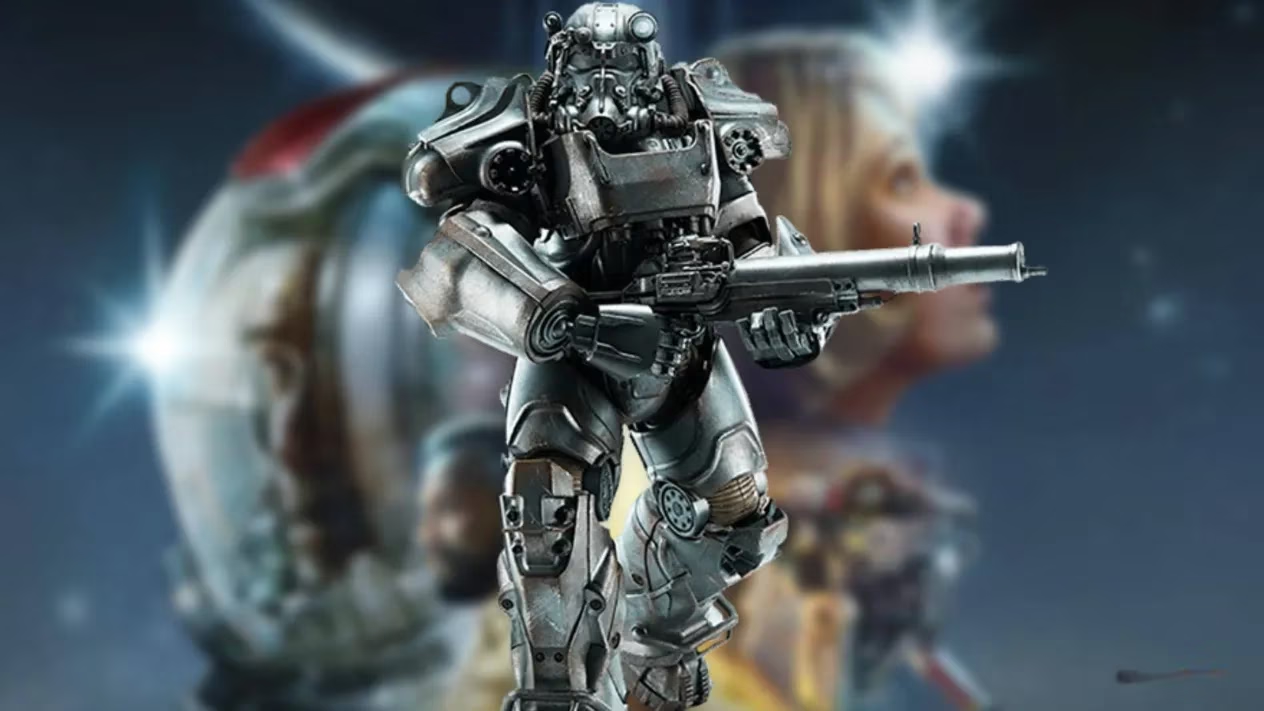
The Sudden Rise of Fallout 5
Fallout 5's rumored kickoff isn't happening in isolation; it's a calculated response to the studio's recent struggles. Sources suggest that Zenimax approved the project swiftly, potentially diverting resources from Project Blackbird. That MMO was meant to be the next big thing, but now it seems like a casualty of Bethesda's refocused priorities. 💥 Why the hurry? Well, the Fallout brand is hotter than ever. The TV show's success has injected fresh life into the IP, turning it into a cultural phenomenon. Fallout 76, once written off, has clawed its way back with surprising resilience. All this makes Fallout 5 look like a guaranteed win—a low-risk, high-reward move in an industry craving nostalgia. But let's not ignore the human element: developers might be itching for something familiar after the grind of Starfield. A shift to Fallout could boost morale, offering a return to the gritty, post-apocalyptic worlds they know best. Still, it raises questions: Is this haste justified? Or is Bethesda jumping ship too soon?
Starfield's Icy Descent
Starfield, billed as Bethesda's next great leap, has fallen far short of its lofty goals. Released less than two years ago, it hasn't ignited the passion or acclaim seen with Skyrim or Fallout 3. Financially, it's been a disappointment—sales plateaued early, failing to meet Xbox's ambitious targets. Culturally, it's a ghost town compared to the buzz around other blockbusters. Sure, it has a dedicated fanbase, but that's not enough to sustain long-term hype. The Shattered Space DLC was meant to be a revival, a spark to reignite interest. Instead, it landed with a thud. Early patches like REV-8 built excitement, but the expansion itself faced widespread criticism for being underwhelming. Since then? Radio silence. Bethesda hinted at "big plans" for 2025 months ago, but updates have dried up. 🧊 This stagnation fuels speculation that the studio might abandon Starfield altogether, viewing further DLC as a bad investment. It's a bitter pill to swallow, especially for those who poured years into its creation. Consider this snapshot of Starfield's current state:
| Aspect | Status in 2025 | Impact on Fans |
|---|---|---|
| Player Engagement | Declining steadily | 😞 Disappointment grows |
| DLC Prospects | Likely canceled | 🤔 Uncertainty reigns |
| Financial Returns | Below projections | 💸 Losses mounting |
| Developer Focus | Shifting to other titles | 🔄 Morale low |
This table shows how Starfield's flame is flickering out, making room for Fallout 5's ascent.
Why Fallout Makes Fiscal Sense
For ZeniMax and Microsoft, the decision to prioritize Fallout 5 boils down to cold, hard numbers. The Fallout franchise is currently on fire, with factors like:
-
The TV show's prestige: It transformed the IP into a mainstream hit, boosting merchandise and game sales.
-
Fallout 76's revival: Against all odds, it became a sustainable online community, proving the brand's staying power.
-
Fan demand for single-player: After a decade-long gap, anticipation for a new story-driven entry is sky-high. 🎮
In contrast, Starfield is ice-cold—unlikely to attract new players or drive significant revenue soon. This isn't just about money; it's optics. Bethesda needs a win after the pessimism surrounding Starfield. Moving to Fallout 5 offers better public perception, aligning with what gamers crave right now. However, this shift isn't without risks. Diverting resources could leave Starfield in an unfinished state, alienating loyalists. Yet, financially, it's a no-brainer. Why pour more into a sinking ship when a surefire success beckons? The studio's pivot feels inevitable, almost defensive, as if they're bracing for the storm.
A Personal Glimpse into the Future
Looking ahead, as an avid gamer, I can't help but feel a mix of excitement and trepidation. Fallout 5 has the potential to redefine the franchise, blending old-school charm with modern tech—imagine immersive wastelands and deeper narratives. But I worry it might come at a cost. Bethesda could be rushing this, sacrificing innovation for safety. If Starfield is abandoned prematurely, it could tarnish their reputation for bold ventures. Still, I dream of a future where both franchises coexist, with lessons learned from Starfield's missteps applied to make Fallout 5 a masterpiece. Only time will tell if this gamble pays off. 🤞
Data cited from Game Developer highlights the complex decision-making process studios face when pivoting between major projects. Game Developer's industry reports often discuss how shifting resources from one ambitious title to another—such as Bethesda's rumored move from Starfield to Fallout 5—can impact team morale, project timelines, and the overall creative direction, especially when responding to market trends and fan expectations.
0 Comments