
Starfield's Expanding Universe: From Xbox Exclusive to Potential Multi-Platform Launch
Starfield Nintendo Switch 2 and PS5 release rumors spark excitement, promising a groundbreaking multiplatform RPG experience for gamers.
Bethesda's sprawling space RPG, Starfield, continues its journey through the cosmos of the gaming industry. While it may not have achieved the monumental cultural impact initially envisioned, the title has evolved significantly since its 2023 debut. The core experience has been refined into a more streamlined and enjoyable adventure, a transformation further enriched by the late-2024 Shattered Space expansion. Now, in 2026, the most intriguing frontier for Starfield is no longer among its fictional planets, but in the very real possibility of its arrival on competing console platforms, including the powerful Nintendo Switch 2.
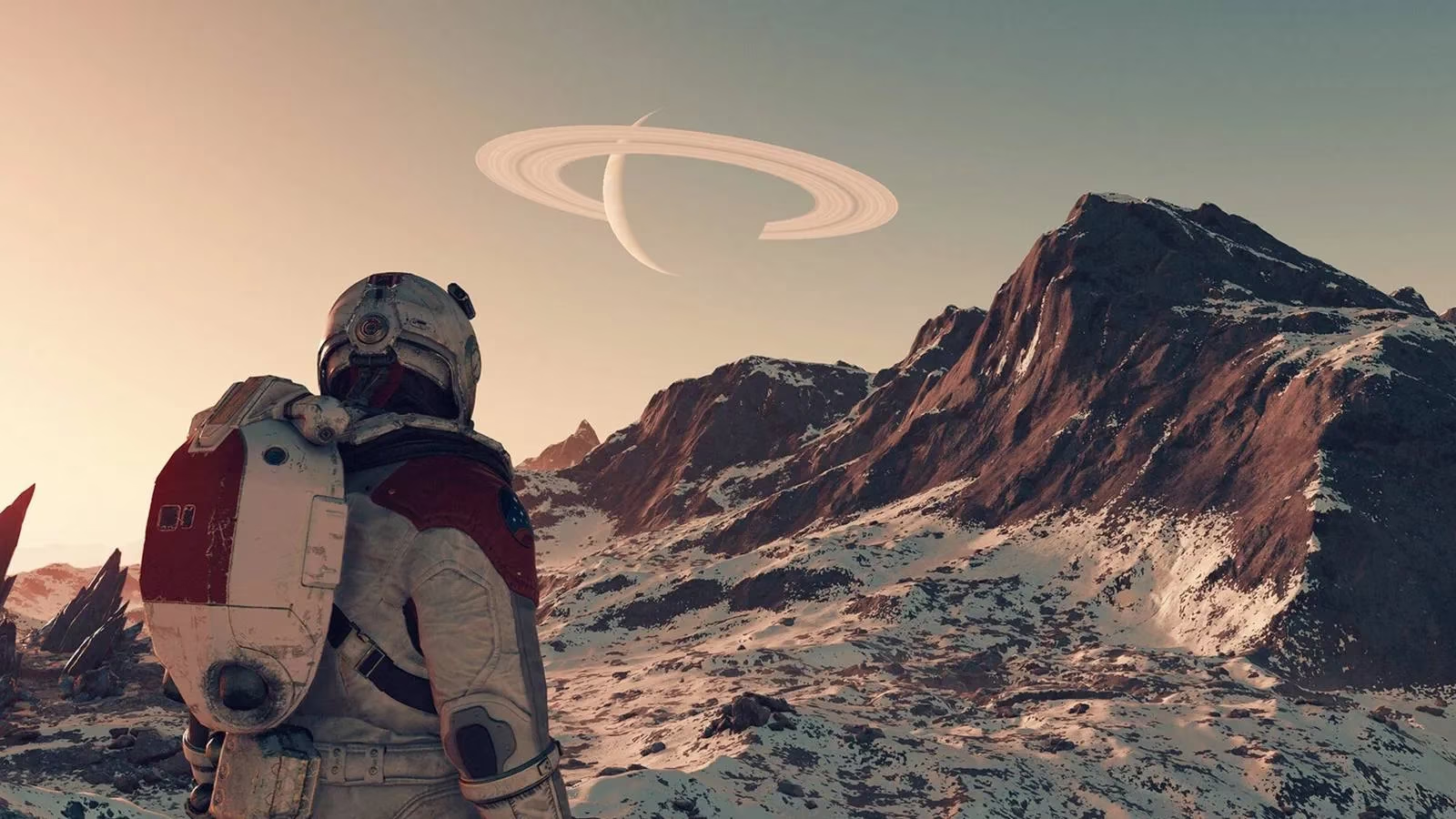
The narrative surrounding Starfield's platform exclusivity is shifting dramatically. Persistent rumors and credible reports strongly suggest a PlayStation 5 release is imminent, marking a pivotal moment in Microsoft's post-Activision acquisition strategy. This potential move is seen as a logical extension of the company's increasingly relaxed approach to game availability, a trend exemplified by titles like Indiana Jones and the Great Circle making the jump to PS5. The brief, accidental appearance of a PlayStation logo on the official Starfield Creator Club website only served to fuel this speculation. If the PS5 port materializes, it would signal a fundamental change in how Xbox Game Studios views its first-party titles, treating them less as system sellers and more as multiplatform franchises.
This new philosophy opens up fascinating possibilities. If Starfield is destined for PlayStation, there is a compelling argument for Microsoft to maximize its reach even further. The upcoming Nintendo Switch 2, with its rumored hardware capable of being roughly five times more powerful than its predecessor, presents a unique opportunity. 🚀 A port for Nintendo's next-generation console would be a bold statement of intent for both companies. For Microsoft, it would demonstrate a genuine commitment to collaboration beyond its traditional rivalry with Sony. For Nintendo, successfully running a demanding title like Starfield would shatter the perception that its hardware cannot handle modern, graphically intensive AAA experiences.
The foundation for this partnership already exists. Following the historic $69 billion acquisition of Activision Blizzard, Microsoft famously signed a binding agreement to bring the Call of Duty franchise to Nintendo platforms. This deal proves a clear working relationship and a shared commercial interest. Porting Starfield to the Switch 2 would be a natural, albeit more technically ambitious, next step in this alliance.
Of course, bringing a game of Starfield's scale to a portable hybrid console would require significant technical concessions. Developers would likely need to adjust:
-
Visual Fidelity: Texture resolution, draw distances, and environmental detail would need optimization.
-
Performance Targets: A stable frame rate, potentially targeting 30 FPS, would be a priority over maxed-out settings.
-
Storage Solutions: The game's substantial size would necessitate efficient asset streaming or a mandatory installation to the console's internal storage.
However, the potential rewards are immense. Starfield's core appeal lies in its sense of exploration and player freedom—qualities that resonate deeply with the Nintendo audience's preferences. The ability to explore its thousand-planet universe in a handheld format would be a unique selling point unmatched by other versions.
For players, this multiplatform future means greater choice and accessibility. What began as an Xbox and PC exclusive could become a game enjoyed across the entire console ecosystem. This aligns with the broader industry trend of breaking down walled gardens and prioritizing player access over rigid hardware loyalty.
In summary, Starfield's journey is far from over. Its evolution from a controversial exclusive to a potential flagship multiplatform title mirrors the changing landscape of the console industry itself. A release on PlayStation 5 and the Nintendo Switch 2 would not just be a victory for Bethesda and Microsoft, but a landmark moment signifying a new era of cross-platform collaboration and expanded gamer choice. The final frontier for Starfield may well be the living rooms and hands of players on every major gaming system. 🌌
0 Comments