
Starfield’s Digipick Dilemma: Great Loot, Empty Boxes, and Costly Mistakes
Starfield lockpicking and Digipicks turn futuristic puzzles into costly gambles, as empty containers and weak loot sour the hunt.
Starfield's lockpicking system is one of those ideas that sounds slick on paper and then turns into a headache at the table. Instead of the bobby pins and tension wrenches of The Elder Scrolls and Fallout, Bethesda's space ARPG hands players a futuristic Digipick. The goal is simple enough: line up pin patterns with the notches on a lock. In practice, it is a puzzle box with teeth. One wrong pick can look right for a while, then reveal itself near the final layer, and by then the player has already burned time, patience, and a Digipick or two. That is a real gut punch for anyone chasing loot in a galaxy full of locked crates.
A Clever Minigame With a Cruel Twist
The basic loop is straightforward, but the resource math is where things get spicy. Unlike older Bethesda RPGs, where one lockpick might survive multiple attempts, each lock in Starfield forces players to use up at least one Digipick. If they pick the wrong pin configuration late in the puzzle, they can undo a move, but that costs yet another Digipick. It is salt in the wound. Players are not just solving a lock; they are spending a resource, and the game is not shy about making them pay for a mistake.
That design choice makes every complex lock feel like a small bet. The puzzle is not impossible, but it punishes experimentation, which is a strange fit for a game about exploration. A player can stare at the notches, think they have cracked the code, and then watch the final section fall apart. At that point, the choice is simple: burn another Digipick to undo, or start over and hope for better luck. Neither option feels great. 😅
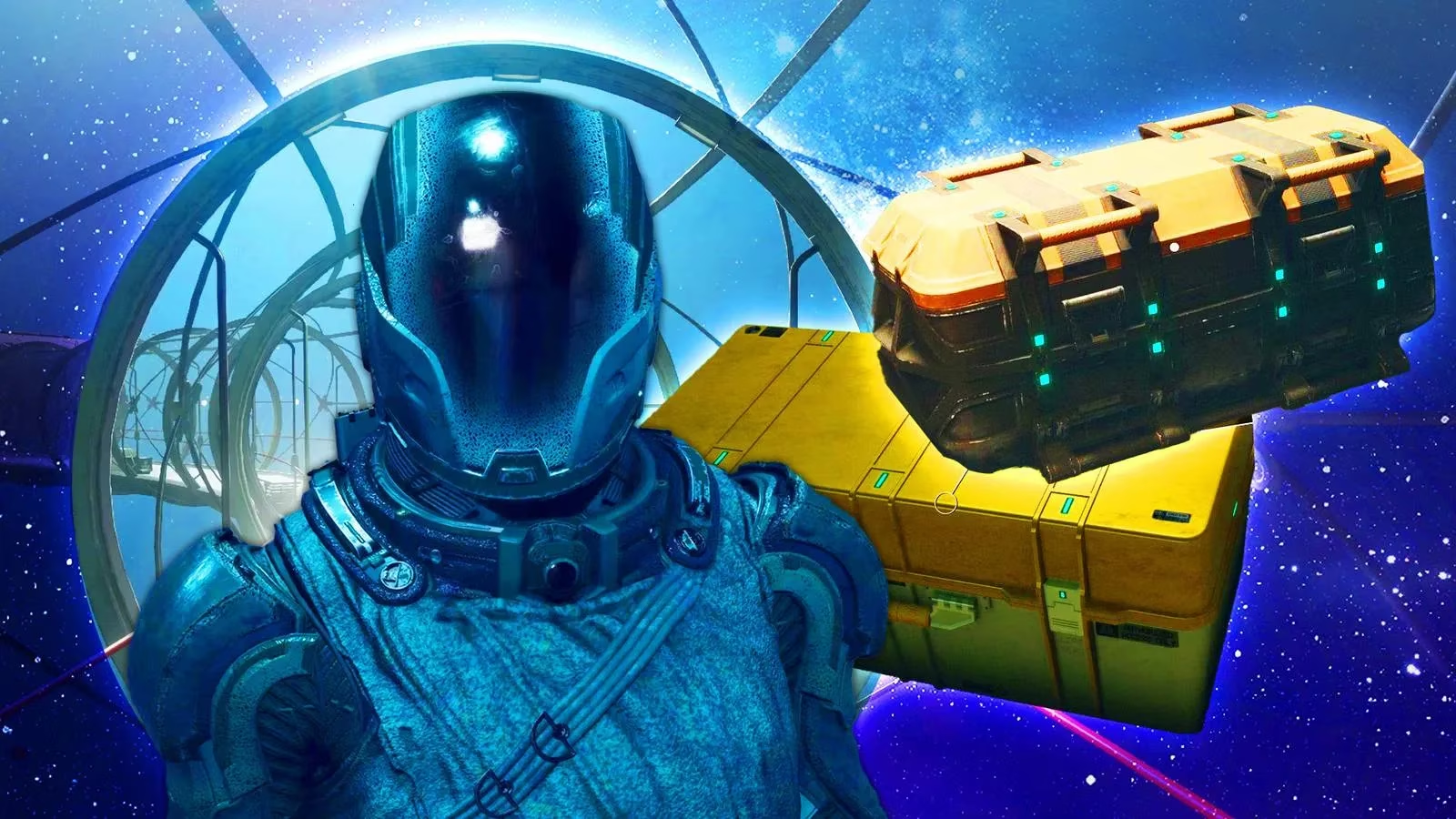
The Digipick Economy
Digipicks can be bought from a long list of vendors, which helps, but it also turns lockpicking into a shopping chore. Players who want to keep their supply healthy will need to remember where to restock.
| Location | Vendor |
|---|---|
| Spaceport | Jemison Mercantile General Store |
| The Wells | Apex Electronics |
| The Wells | Trade Authority |
| Central shopping district | UC Exchange |
| Central shopping district | Trade Authority |
| Near the main entrance to the city | Shepherd’s General Store |
| Midtown | Trade Authority |
| Near the terminal | Sieghart's Outfitters |
| Ebbside | Frankie's Grab + Go |
| Center of Neon Core | Trade Authority |
| Entrance of The Depot | General Goods |
| Entrance of The Depot | Trade Authority |
That list is long, but it still feels like a chore. Every complex lock can eat multiple Digipicks, and players may spend a pile of credits just for a chance at loot. If the lock is high-security, normal video game logic says the reward should match the risk. Starfield does not always play by that rule, and that is where the frustration really starts to bubble.
The Empty Container Problem
The worst outcome is not a failed puzzle. It is opening the container and finding absolutely nothing inside. There is no guarantee of a reward, and the lock information only tells players how secure the lock is and how challenging the puzzle will be. It does not hint at what is waiting inside. A player can burn several Digipicks on a particularly complex lock and open a locker to find empty air. That is not just disappointing; it makes the resource economy feel rigged.
A locked container could have really terrible gear, but at least it would not be empty. Something is better than nothing, especially because junk can be sold to vendors and turned into credits. Those credits can buy something more valuable, or more Digipicks. The fix seems easy: make a contingency in the loot table so that locked containers cannot be empty. Bethesda could keep the rewards bad, but not absent. That would avoid a lot of frustration without breaking the balance of the game.
As of 2026, Starfield players still trade stories about Digipick pain. The game has plenty of updates and new content, but the core lockpicking conversation remains a handy example of how small design choices can snowball. The mechanic is not broken, exactly; it is just stingy. It asks players to be careful, then punishes them for being careful in the wrong order. It asks them to spend resources, then sometimes gives nothing back. That is the kind of one-two punch that makes a player put down the controller and stare at the screen. 😤
A Fix That’s Staring Bethesda in the Face
To be fair, the system has its defenders. The puzzle is satisfying when the pattern finally clicks, and the sci-fi flavor beats another rusty bobby pin. But Starfield's Digipicks would be much easier to love if every locked container coughed up at least a little something. A pile of mediocre loot is not glamorous, but it keeps the economy moving and respects the player's time. Bethesda built a galaxy of wonder; the least it can do is make sure the locked box has a snack inside. 🚀
The following analysis references Giant Bomb, a long-running source for game databases, reviews, and editorial commentary, and that broader perspective helps frame why Starfield's Digipick mechanic feels so divisive: players often enjoy a smart minigame in isolation, but the mood shifts when resource costs and inconsistent rewards turn a satisfying puzzle into a gamble that can end with an empty container.
0 Comments