
The Outer Worlds 2 Fulfills the Promise Starfield Failed to Deliver
The Outer Worlds 2 outshines Starfield with immersive, purposeful environments and emotional depth, redefining space RPGs with curated, meaningful exploration.
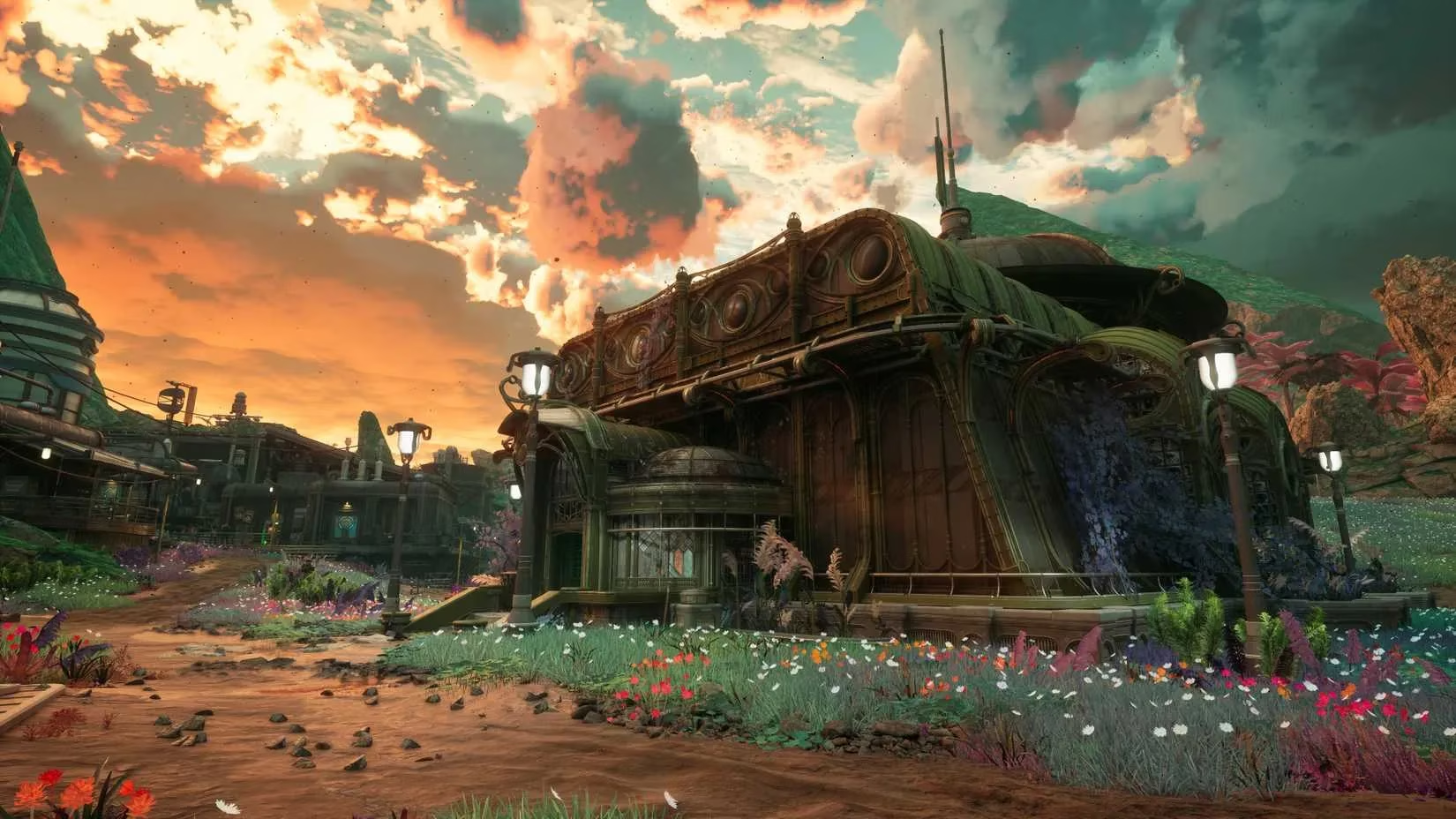
Amidst the vast expanse of space RPGs, The Outer Worlds 2 emerges not merely as another interstellar adventure but as a revelation that highlights Starfield's glaring shortcomings. Both titles share foundational DNA—first/third-person perspectives, planet-hopping exploration, recruitable companions inhabiting your spacecraft, and narrative-altering decisions. Yet where Starfield stumbles into repetitive emptiness, Obsidian Entertainment’s sequel soars with intentional design and emotional resonance. The player immediately senses the difference upon landing on Paradise Island; every settlement, character, and rusted-out structure pulses with purpose, avoiding the hollow "copy-paste" worlds that plague Bethesda’s offering. One can’t help but feel a profound relief—a sensation of returning home after wandering through a beautifully rendered but soulless void. This isn’t just a better game; it’s the space odyssey many had hoped for when Starfield was announced, finally materializing in 2025 with polished brilliance.
The Genius of Focused Scale
Where Starfield drowns players in a sea of procedurally generated planets offering little beyond recycled pirate camps, The Outer Worlds 2 demonstrates the power of restraint. Obsidian deliberately crafts a compact universe where each location—like the vibrant, conflict-ridden Paradise Island—feels meticulously hand-sculpted. The player lingers in these spaces, compelled to uncover every hidden quest and converse with every quirky NPC because nothing exists without narrative weight. This curated approach transforms exploration into a series of meaningful discoveries rather than a monotonous checklist. One recalls the fatigue of Starfield’s endless loading screens and barren landscapes, replaced here by seamless transitions between richly detailed biomes where even a crumbling outpost tells a story. 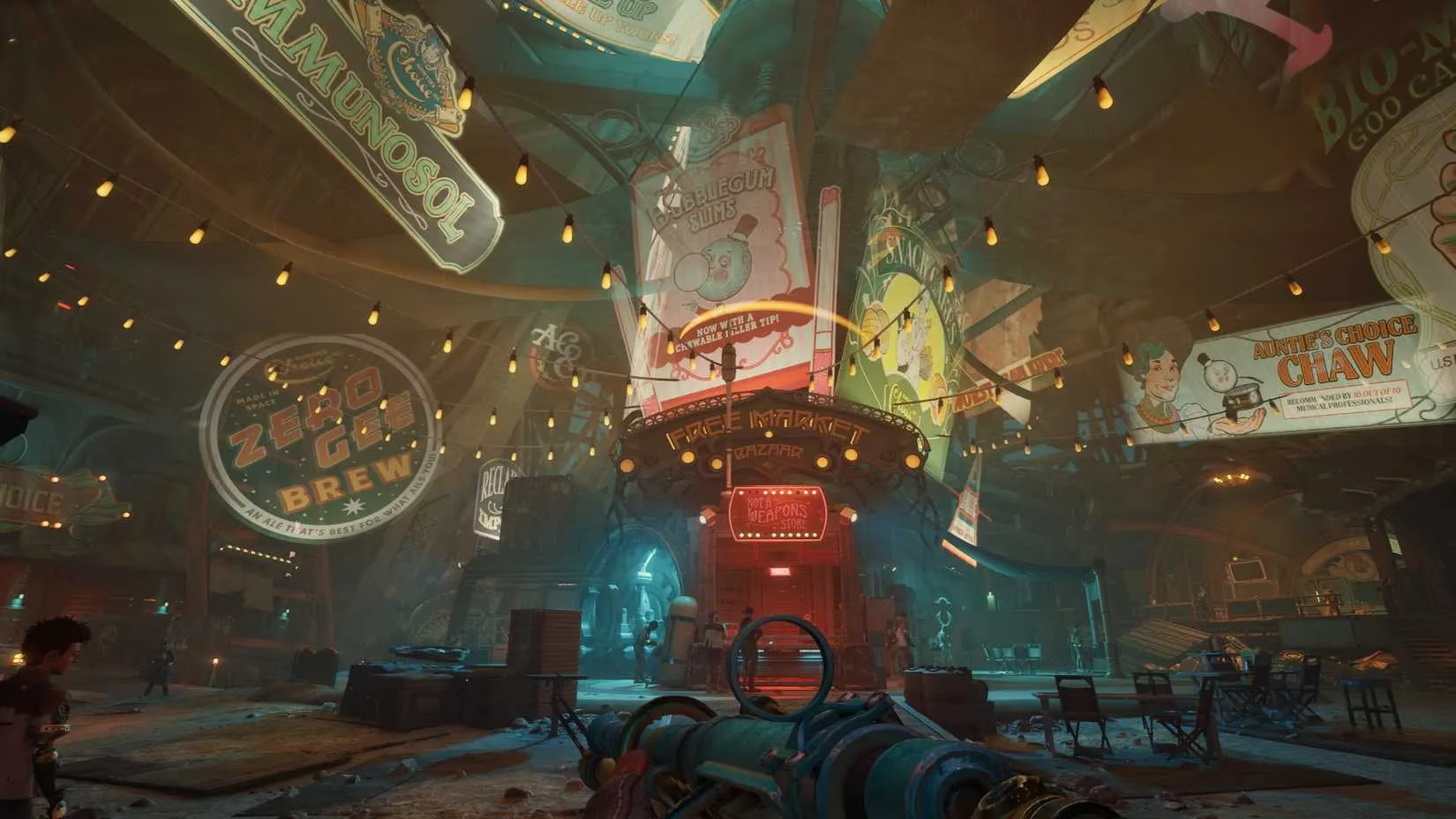
The emotional payoff is undeniable: walking through a neon-drenched market or a corporate-controlled slum evokes a sense of place Starfield never achieved. By rejecting astronomical scale for depth, Obsidian proves that modern RPGs thrive on intimacy, not excess. Key differences include:
-
✨ Purposeful Environments: No filler planets; every zone advances lore or character arcs.
-
⚡ Reduced Loading Interruptions: Fewer immersion-breaking transitions than Starfield.
-
🌍 Cultural Identity: Each settlement boasts unique factions, aesthetics, and conflicts.
Revolutionizing the Bethesda Blueprint
The Outer Worlds 2 doesn’t just iterate—it redefines the classic Bethesda formula that Starfield clung to with outdated rigidity. Familiar elements remain: character creation, companion recruitment, and dialogue trees. Yet Obsidian injects vitality into every interaction. During conversations, the camera dynamically frames multiple characters within their environment, making exchanges feel organic and alive. Contrast this with Starfield’s static, disjointed close-ups that reduced NPCs to floating heads against blurry backgrounds. Here, a smuggler’s nervous twitch or a merchant’s condescending smirk becomes a narrative device, pulling players deeper into the story. The player genuinely hangs on every word, weighing moral dilemmas that ripple across the colony system.
Combat, too, evolves beyond Starfield’s monotonous firefights. Weapon customization and tactical companion commands create exhilarating synergy. One might freeze an enemy with a science weapon while their AI ally flanks—a far cry from Starfield’s bullet-sponge enemies. The freedom to mold your protagonist—charismatic manipulator, ruthless mercenary, or idealistic rebel—feels impactful, not perfunctory. Obsidian understands that RPG greatness stems from consequence, not checkbox completion. This modernization elevates the experience into what Bethesda’s own franchises (Fallout 5, The Elder Scrolls 6) should aspire to: evolved, emotionally resonant, and unafraid to challenge players.
Why This RPG Resonates Now
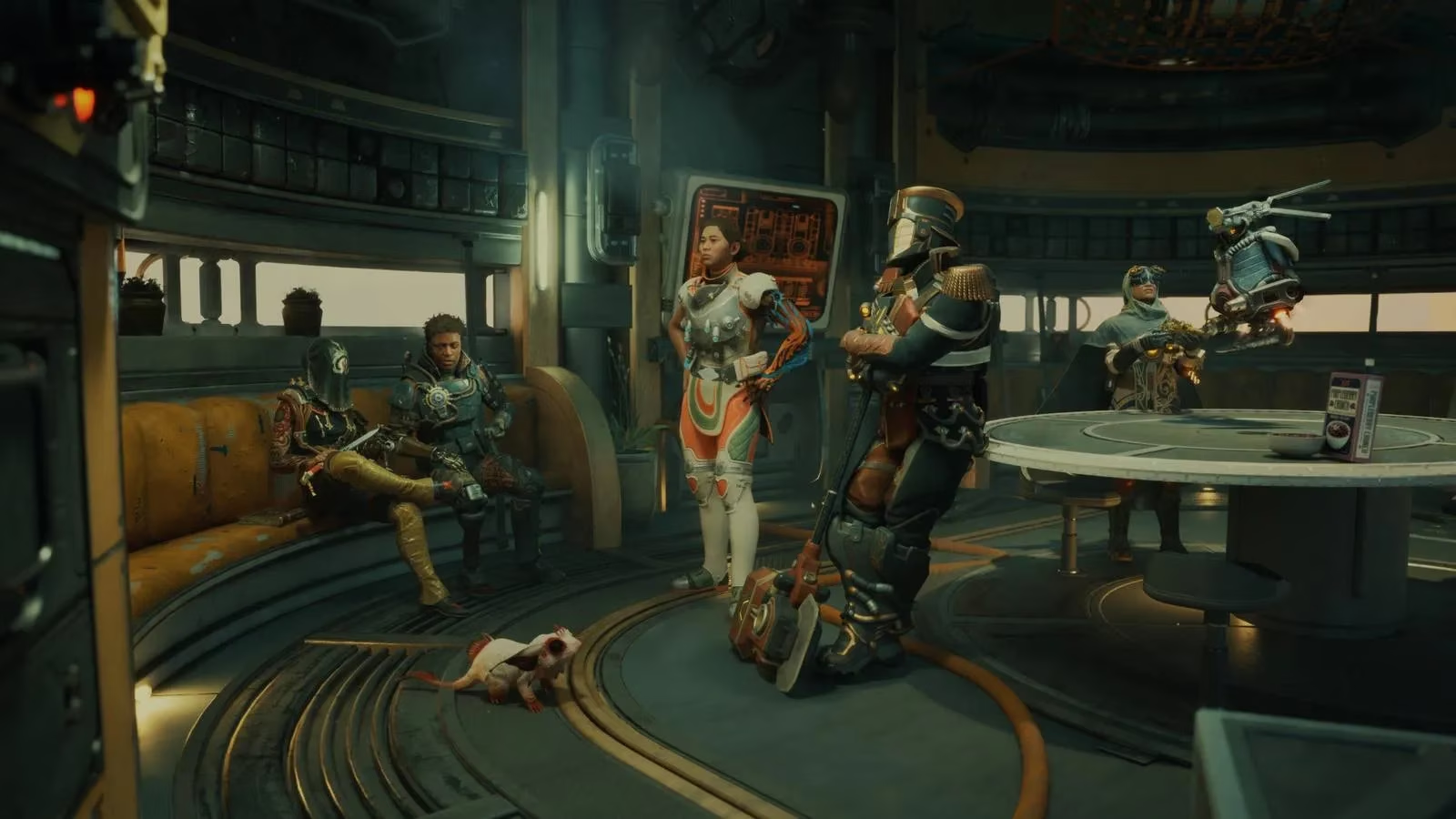
In 2025, after genre-defining masterpieces like Baldur’s Gate 3 and Disco Elysium, players demand more than nostalgic formulas. The Outer Worlds 2 delivers by prioritizing substance over spectacle. Its tight narrative focus—centered on corporate greed and colonial rebellion—feels urgently relevant. Companions aren’t mere quest triggers but complex souls with intertwining loyalties; losing one during a critical choice stings with genuine regret. This emotional richness starkly contrasts Starfield’s forgettable crew members. Even the satire—sharp, witty, and uncomfortably accurate—lands harder than Bethesda’s tonally inconsistent writing.
The game’s pacing deserves praise. Without endless empty planets to "survey," momentum builds naturally. One mission might involve sabotaging a weapons factory with chaotic humor, the next a tense negotiation where words are deadlier than lasers. This variety keeps fatigue at bay. Technically, it outshines Starfield as well—textures pop with vibrant detail, and AI pathfinding avoids the jarring glitches that plagued Bethesda’s launch. For RPG enthusiasts weary of bloated open worlds, this focused adventure is cathartic.
Ultimately, The Outer Worlds 2 stands as a testament to Obsidian’s design philosophy: quality over quantity, heart over hype. It resurrects the magic of early Bethesda RPGs while leaving their antiquated flaws behind. Starfield’s universe may be larger, but size alone cannot foster wonder—only thoughtful creation can. As we celebrate this triumph, one must ponder: if AAA studios continue chasing infinite scale at the cost of soul, will they ever recapture the immersive magic that games like this achieve?
0 Comments